
Yoga Teacher Training in Rishikesh: Where Ancient Wisdom Meets Modern Practice
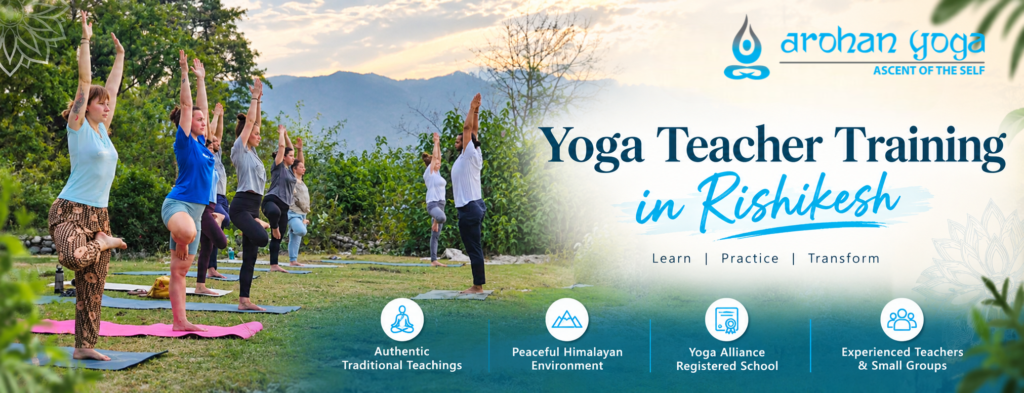
Yoga is more than a sequence of physical postures; it is a journey towards self-awareness, discipline, and a deeper connection between the mind and body. In a world filled with constant distractions, learning yoga in a traditional setting can offer an opportunity to slow down, explore ancient teachings, and develop practices that support a more balanced lifestyle.
Choosing yoga teacher training in Rishikesh brings together the experience of learning yoga in a spiritually significant destination and the opportunity to develop practical teaching skills. Surrounded by the Himalayan foothills and influenced by the peaceful atmosphere of the Ganges, Rishikesh attracts aspiring teachers and dedicated practitioners seeking a meaningful learning experience.
This guide explores how to prepare for training, understand its learning methods, build a consistent practice, and carry yoga’s principles into everyday life.
Discover the Foundations That Give Yoga Its Meaning
Rishikesh offers an environment where yoga’s traditional roots can become an important part of the learning experience. Its spiritual heritage encourages students to approach training with curiosity, patience, and respect for the discipline. Rather than focusing exclusively on physical performance, students can explore how mindful movement, breath awareness, and meditation contribute to a consistent personal practice.
A structured course may introduce several interconnected subjects, including yoga anatomy, physiology, alignment, pranayama, meditation, and teaching methodology. Together, these areas help students understand how to practise safely, recognise individual limitations, and communicate instructions clearly to different learners.
Before beginning a training programme, it helps to establish a few personal intentions:
- Explore personal growth: Identify what you hope to learn through yoga, whether it is improved self-awareness, deeper practice, or teaching skills.
- Build a consistent routine: Develop a regular practice of movement, breathing, and meditation before the course begins.
- Approach learning with openness: Be prepared to explore unfamiliar techniques, philosophical ideas, and different approaches to movement.
- Respect individual progress: Recognise that yoga develops through patience and consistency rather than competition or perfection.
These foundations provide a starting point for exploring the different styles and methods that shape a comprehensive yoga education.
Explore Four Distinct Styles That Shape Your Practice
Hatha Yoga provides a foundation for understanding postural alignment, breathing, and mindful movement. Ashtanga Vinyasa introduces a more structured sequence that links breath with movement, encouraging focus and consistency. Yin Yoga takes a slower approach, using supported or sustained postures to explore stillness and mindful awareness. Aerial Yoga adds another dimension through the use of suspended fabric, introducing balance, spatial awareness, and alternative ways of approaching selected postures.
A 200 hour yoga teacher training in Rishikesh that incorporates these styles can help students recognise their differences rather than treating yoga as a single, uniform discipline. The aim is to develop a broad understanding of practice, including how to choose appropriate variations and communicate their purpose.
The value of learning multiple styles lies in the perspective it creates. A student may appreciate the rhythm of Ashtanga, the foundational techniques of Hatha, the quiet focus of Yin, and the playful exploration of Aerial Yoga. Understanding these differences helps future teachers design more varied sessions while respecting the abilities and comfort levels of their students.
However, physical practice is only one part of becoming a capable yoga teacher. To guide others responsibly, students also need to understand the principles that support safe and effective instruction.
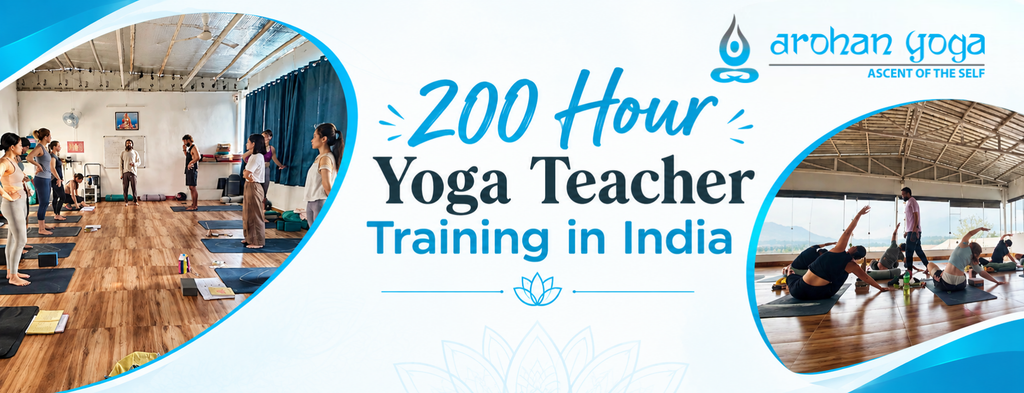
Turn Personal Practice into Confident Teaching Skills
Moving from practising yoga to teaching it requires more than remembering postures. Teachers must explain movements clearly, demonstrate suitable variations, observe students, and create an atmosphere in which learners feel comfortable asking questions. Training programmes therefore benefit from dedicated teaching methodology, alignment sessions, and opportunities to practise giving instructions.
Anatomy and physiology provide a foundation for understanding how the body moves and why different students may need different modifications. Yoga philosophy explores the discipline’s traditional ideas, while pranayama and meditation help students understand practices that extend beyond physical movement. Together, these subjects create a broader framework for responsible instruction.
For anyone considering 200 hour yoga teacher training in India, practical teaching experience is an important factor when comparing courses. Opportunities to lead short sessions, receive feedback, and refine verbal cues can help aspiring teachers develop confidence gradually. Learning how to structure a class, transition between postures, and manage time is equally important.
A strong teacher also understands the importance of boundaries. Students have different experiences, mobility levels, and comfort zones, so instructions should be adaptable rather than presented as universal requirements. Clear communication and appropriate modifications can make classes more inclusive.
Build Daily Habits That Deepen Learning Beyond Class
An immersive yoga course can introduce a wealth of information in a relatively short period. Establishing a routine helps students absorb that knowledge instead of treating each lesson as an isolated experience. Regular practice, thoughtful observation, and sufficient time for rest all contribute to a more sustainable learning process.
A typical residential programme may combine morning asana sessions with breathing exercises, anatomy, philosophy, meditation, alignment practice, and evening classes. The schedule encourages students to experience yoga through several connected disciplines rather than focusing on postures alone. Exact schedules and course arrangements vary, so students should review the programme details before enrolling.
Outside formal lessons, keeping a learning journal can help students record new concepts, reflect on challenging sequences, and identify questions to discuss with instructors. Short periods of quiet reflection can also help connect philosophical ideas with everyday choices, relationships, and habits.
Rest and recovery deserve equal attention. Yoga training can be intensive, and students should respect their physical limits, communicate any concerns to instructors, and modify activities when needed. Progress is not measured by performing the most difficult posture; it is reflected in greater understanding, consistency, and an ability to practise thoughtfully.
Rishikesh’s natural surroundings can further encourage a slower, more attentive approach to learning. Spending quiet time outdoors or reflecting after a class can provide space to process new experiences. These habits can remain valuable long after the training programme ends.
Choose the Right Training Path for Your Future
Selecting a yoga teacher training course requires more than comparing locations or advertised hours. The curriculum, teaching approach, practical experience, accommodation, and learning environment all influence the overall experience. A suitable programme should match your current experience and the direction in which you want to develop.
Before making a decision, consider the following factors:
- Curriculum and teaching styles: Check whether the programme covers the yoga styles and theoretical subjects you want to explore.
- Teaching practice: Look for opportunities to lead sessions, receive feedback, and learn class sequencing.
- Teacher qualifications: Review instructors’ experience and the school’s stated registration or certification arrangements.
- Daily schedule: Understand the expected workload, practice sessions, study periods, and rest time.
- Residential arrangements: If you plan to stay on-site, check accommodation, meals, facilities, and the overall learning environment.
A 200 hour yoga teacher training may appeal to international students as well as local practitioners, but the right choice depends on individual goals, available time, and budget.
The End
Choosing yoga teacher training in Rishikesh can be an opportunity to explore yoga beyond physical postures and develop a deeper understanding of movement, breath, philosophy, meditation, and teaching methodology. From discovering different styles to building practical teaching skills and sustainable daily habits, a well-structured programme can provide a meaningful foundation for continued learning.
For aspiring teachers seeking a multi-style programme that includes Hatha, Ashtanga Vinyasa, Yin, and Aerial Yoga, Arohan Yoga offers a course designed to combine practical training with yoga anatomy, philosophy, pranayama, and meditation. Explore the 200-hour multi-style yoga training programme at Arohan Yoga to review the curriculum and find out whether it suits your goals.
Frequently Asked Questions (FAQs)
Rishikesh combines a rich yoga heritage with an environment suited to focused learning and personal reflection. Training programmes may cover asanas, pranayama, meditation, anatomy, and yoga philosophy. The right course helps students develop both personal practice and foundational teaching skills.
The course may suit aspiring yoga teachers and practitioners who want to deepen their understanding of yoga. Students should check the programme’s entry requirements, schedule, and physical practice expectations before enrolling. A willingness to learn and practise consistently is important.
Multi-style courses may combine Hatha, Ashtanga Vinyasa, Yin, and aerial yoga. Students can also study anatomy, pranayama, meditation, philosophy, and teaching methodology. Arohan Yoga offers a multi-style programme featuring these four yoga approaches.
A comprehensive programme may include asana practice, yoga anatomy, physiology, philosophy, breathing techniques, and meditation. Teaching methodology and alignment sessions help students learn to guide classes more effectively. The exact curriculum varies by school and programme.
Compare the curriculum, instructors, teaching practice, accommodation, and certification arrangements before making a decision. Confirm the course details and any additional registration requirements relevant to your teaching goals. Arohan Yoga provides a multi-style training programme that prospective students can review before enrolling.