
300 Hour Yoga Teacher Training in Rishikesh: Deepen Your Practice and Teaching
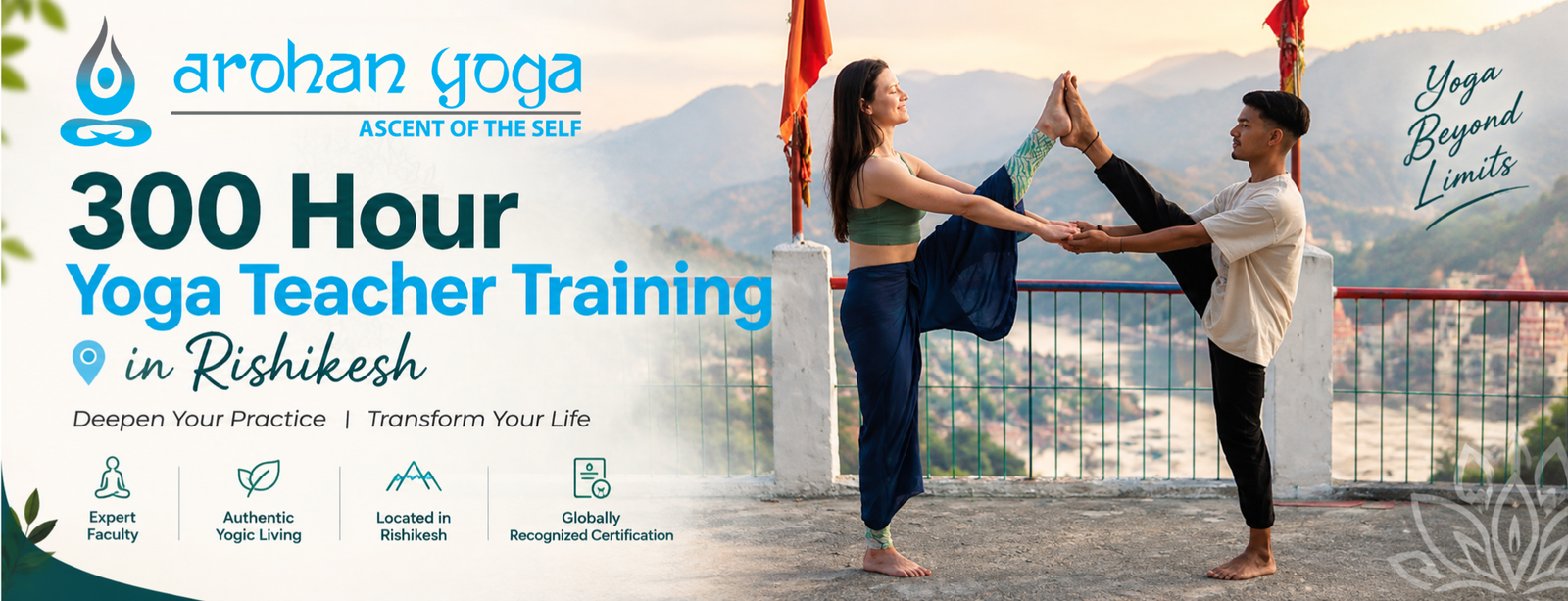
Yoga teacher training can evolve from learning foundational postures into a deeper exploration of anatomy, philosophy, sequencing, meditation, pranayama, and the skills required for teaching diverse practitioners safely and thoughtfully.
For practitioners ready to move beyond foundational training, a 300 hour yoga teacher training in Rishikesh can provide an immersive learning environment where advanced asana practice, teaching methodology, yoga philosophy, anatomy, and meditation are explored through structured study and practice.
This guide explores what advanced yoga teacher training involves, how the curriculum can support teaching development, what learners may study, and what to consider when selecting a residential program.
Moving Beyond Foundational Yoga Teacher Training
A 300-hour program generally builds on knowledge gained through foundational teacher training. Instead of simply repeating introductory concepts, advanced training can encourage practitioners to examine familiar practices from more detailed technical, anatomical, philosophical, and teaching perspectives.
Developing Advanced Asana Knowledge
Advanced training may introduce more challenging postures, including inversions, arm balances, backbends, and other advanced movements. The emphasis is not simply on performing a posture but on understanding alignment, preparation, modifications, and appropriate ways to guide students through it.
Expanding Teaching Methodology
Teaching requires more than demonstrating physical postures. Students may learn how to structure classes, provide clear instructions, observe alignment, make appropriate adjustments, and modify practices according to different needs and experience levels.
Connecting Practice with Philosophy
A deeper study of yoga philosophy can add context to physical practice. Classical ideas, the history of yoga, the eight limbs, and philosophical concepts can help learners understand yoga as a broader discipline rather than viewing it only as physical exercise.
Exploring a Diverse and Integrated Yoga Curriculum
A comprehensive advanced program can bring together multiple yoga traditions and complementary subjects. This broader approach allows learners to compare different methods and understand how practices can be adapted within a structured teaching framework.
Hatha and Ashtanga Vinyasa
Hatha and Ashtanga Vinyasa can provide different perspectives on physical practice, sequencing, discipline, and movement. Advanced study may involve detailed exploration of postures and sequences while developing awareness of alignment, breathing, and transitions.
Yin and Aerial Yoga
Yin Yoga introduces a different approach to movement and flexibility, while Aerial Yoga adds another dimension through suspended practice. Studying multiple approaches can help teachers understand how different methods address aspects of practice.
Pranayama and Meditation
Breathwork and meditation form important components of many advanced yoga programs. Learners can study breathing techniques, meditation methods, mantra practices, and ways of integrating these elements into a broader yoga practice.
Building Knowledge Through Anatomy and Teaching Practice
Understanding the body can help yoga teachers make more informed decisions when demonstrating, sequencing, and modifying practices. Advanced study therefore often connects anatomy with practical teaching rather than treating the two subjects separately.
Studying Yoga Anatomy
Topics may include the muscular and skeletal systems, connective tissues, joints, the spine and ribcage, planes and axes of movement, and different types of stretches. Understanding these areas can help teachers approach movement with greater anatomical awareness.
Learning Alignment and Adjustments
Alignment training can focus on observing postures, identifying common movement patterns, and understanding appropriate adjustments. Teaching methodology may also cover demonstration, verbal description, observation, modifications, injury prevention, and class management.
Practising as a Teacher
Regular teaching practice can turn theoretical knowledge into practical experience. You may practise demonstrating postures, explaining techniques, planning sequences, and adapting instructions. The provided program also describes daily teaching practice as part of developing confidence and teaching skills.
Choosing a Structured Environment for Deeper Learning
The learning environment can influence how consistently students practise, study, reflect, and interact with teachers and fellow practitioners. A residential setting can create a dedicated routine where classroom learning and personal practice become part of the same daily schedule.
Understanding Residential Learning
A residential course can provide accommodation, meals, scheduled classes, study periods, and opportunities for personal practice. This structure can reduce distractions and allow students to devote a defined period to their training.
Considering Location and Daily Routine
Rishikesh provides a setting closely associated with yoga learning and spiritual traditions. The course information describes a location beside the Ganges with views of mountains and forests, while the program follows a structured daily schedule combining physical practice, philosophy, anatomy, meditation, and other subjects.
Looking at Practical Inclusions
When comparing a program, students can review accommodation, meals, study materials, transportation arrangements, excursions, and other facilities alongside the academic curriculum. The provided program lists 28 nights of accommodation, daily meals, airport transfers on specified course days, study material, excursions, and other inclusions.
Understanding What Makes Advanced Training Valuable
A 300 hour yoga teacher training in India can be valuable when learners approach it as a process of developing both personal practice and teaching ability. The additional hours allow greater time for repetition, observation, discussion, feedback, and practical teaching.
Developing a Complete Teaching Approach
The goal of advanced training is not necessarily to collect more postures. It can involve learning how to connect movement, breath, anatomy, philosophy, sequencing, and observation into a coherent class experience.
Adapting Practices For Different Students
Students do not all have identical abilities, movement patterns, or experience. Learning about modifications, contraindications, alignment, and injury prevention can help future teachers approach classes with greater awareness and adaptability.
Combining Knowledge with Experience
The combination of classroom learning and repeated teaching practice can help students develop a more practical understanding of what they study. Evaluation can also include written, practical, and oral components, along with attendance and general conduct.
Learning Opportunities at Arohan Yoga
For practitioners looking for a structured residential program, Arohan Yoga’s 300-hour course brings together Hatha, Ashtanga Vinyasa, Yin, Aerial Yoga, anatomy, Ayurveda, philosophy, meditation, pranayama, teaching methodology, and teaching practice.
Our curriculum covers physical practices alongside subjects such as yoga anatomy, Ayurveda, philosophy, meditation, mantra chanting, and teaching methodology. Our program also places emphasis on alignment, adjustments, sequencing, and practical teaching.
Our course is designed as a 28-day and 27-night residential experience, with scheduled classes from Monday through Saturday and self-practice and study on Sundays. Accommodation and several practical facilities are included according to the course information.
The program specifically combines Hatha, Ashtanga Vinyasa, Yin, and Aerial Yoga rather than concentrating exclusively on one style. This gives learners an opportunity to explore both more active and slower approaches within the same training environment.
Wrapping Up
Advanced yoga teacher training brings together physical practice, teaching methodology, anatomy, philosophy, breathwork, meditation, and practical teaching experience. For practitioners seeking a structured path to deepen their knowledge, 300 hour yoga teacher training in Rishikesh can offer an immersive setting for continued study and teaching development.
The right program should be considered according to its curriculum, practical teaching opportunities, learning environment, schedule, and alignment with individual goals. Arohan Yoga offers a residential 300-hour program incorporating multiple yoga styles and complementary areas of study.
Interested in deepening your yoga practice and teaching knowledge? Explore the 300-hour training program to learn more about our course and learning environment.
Frequently Asked Questions
Aerial yoga uses a suspended hammock to support the body during yoga-inspired movements, stretches, balances and inversions.
Yes, beginners can start with basic movements and gradually progress under proper guidance.
It may support flexibility, balance, body awareness, strength and assisted stretching.
No. It incorporates traditional yoga principles while using a suspended hammock for additional support and movement.
It can be practised safely with properly installed equipment, suitable instruction and gradual progression.