
Sound Healing Course in India: Certification, Curriculum, Costs, and Career Opportunities
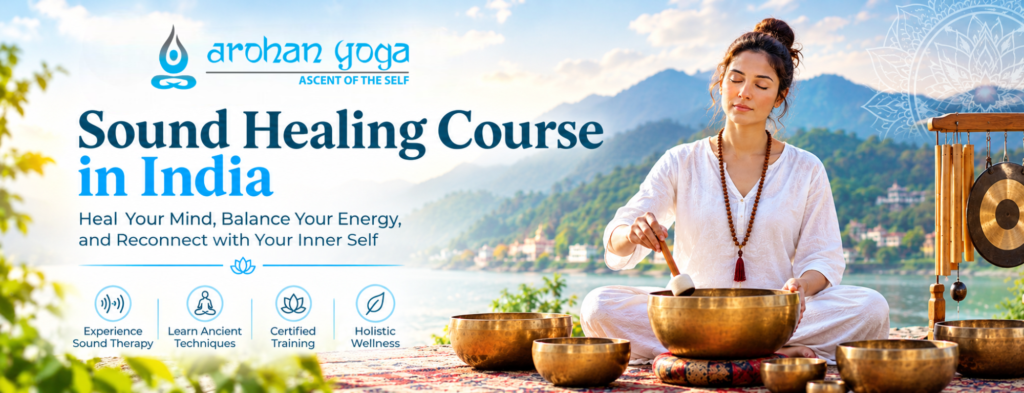
A sound healing course in India teaches you how to use instruments, voice, rhythm, and vibration in structured wellness sessions. Most programs cover singing bowls, gongs, tuning forks, meditation, session planning, and professional ethics.
The best course depends on your goal. A short program may suit personal learning, while a longer certification pathway is more appropriate if you plan to facilitate individual sessions, sound baths, workshops, or retreats.
India is a popular destination for this training because it combines traditional practices with modern yoga and wellness education. However, course quality varies. Compare the curriculum, practical hours, instructor experience, assessment process, certificate details, and total cost before enrolling.
What Is Sound Healing?
Sound healing is a complementary wellness practice that uses sound, vibration, rhythm, and focused listening to support relaxation and mindful awareness. Practitioners may use Tibetan singing bowls, gongs, tuning forks, bells, Tingsha cymbals, chants, or the human voice.
It is not a replacement for medical diagnosis or treatment. A responsible practitioner should describe sound healing accurately and avoid promising to cure physical or mental health conditions.
What Does a Sound Healing Course Teach?
A sound healing course combines theoretical learning with practical training. Students typically study the principles of sound and resonance before practising instruments and designing guided sessions.
Common Course Topics
A typical curriculum may include:
- History and philosophy of sound-based practices
- Sound, frequency, rhythm, vibration, and resonance
- Tibetan singing bowl techniques
- Gong, bell, Tingsha, and tuning fork practices
- Vocal toning, mantra, and chanting
- Nada Yoga and sound meditation
- Chakra-focused sound practices
- Individual sound healing sessions
- Group sound baths
- Meditation and breathwork integration
- Client communication and session preparation
- Instrument care and safe handling
- Professional boundaries and ethical practice
- Basic assessment and supervised teaching
The exact syllabus varies by school. Before enrolling, check whether the course includes live demonstrations, guided practice, instructor feedback, and opportunities to facilitate complete sessions.
What Skills Will You Gain?
By completing sound healing training, you may learn how to:
- Select suitable instruments for a session.
- Play singing bowls, gongs, and tuning forks safely.
- Create a calm and organised wellness environment.
- Structure an individual or group sound session.
- Combine sound with meditation, breathwork, or yoga.
- Adjust volume, timing, and intensity for different participants.
- Communicate session expectations clearly.
- Recognise the professional limits of complementary wellness work.
Instrument knowledge alone is not enough. Effective facilitation also requires listening skills, observation, clear communication, and consistent practice.
How to Choose a Sound Healing Certification
A certificate is valuable when it confirms meaningful education and practical competence. It should not merely document attendance.
Before choosing a program, review the learning outcomes, teaching hours, practical requirements, assessment method, and instructor qualifications. Ask whether students receive individual feedback and whether they must complete a supervised session.
Certification Checklist
Use these questions to compare providers:
- Who teaches the course, and what is their relevant experience?
- How many theory and practical hours are included?
- Which instruments and techniques are covered?
- Are students assessed through demonstrations or teaching practice?
- Is supervised facilitation part of the program?
- What does the certificate specifically certify?
- Is the certificate issued by the training provider or an external body?
- Are accommodation, meals, instruments, and study materials included?
- What do previous students say about the course?
- Are there additional fees or refund conditions?
Be cautious of programs that promise instant expertise, guaranteed clients, medical results, or unrealistic income.
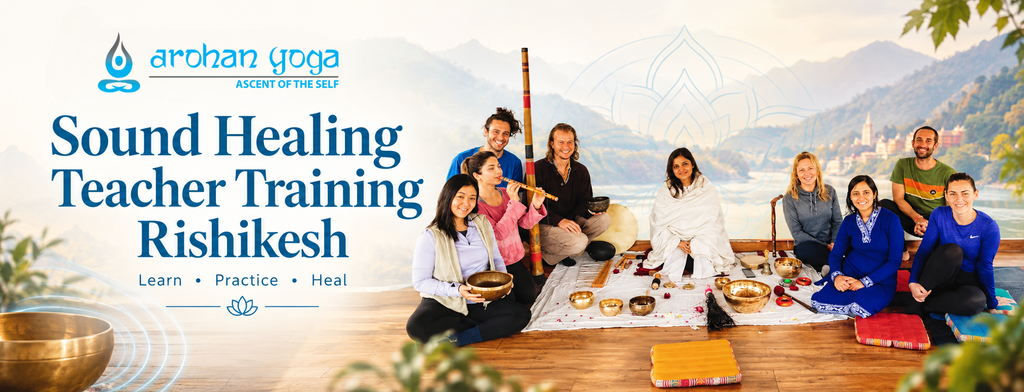
Sound Healing Teacher Training Rishikesh: Is It a Good Option?
A sound healing teacher training Rishikesh program may appeal to students who want an immersive learning experience in a city known for yoga, meditation, and spiritual education.
Many programs in Rishikesh combine classroom lessons with daily practice, meditation, traditional sound practices, and group facilitation. This environment can help students develop a routine and learn alongside people from different backgrounds.
However, location should not be the only deciding factor. Compare:
- Total teaching hours
- Practical and supervised sessions
- Instructor involvement
- Class size
- Accommodation standards
- Language of instruction
- Instruments provided
- Certificate requirements
- Student support after graduation
International students should also confirm the course dates, travel arrangements, payment terms, accommodation, local transport, and any required documentation before booking.
Career Opportunities After Sound Healing Training
Sound healing training can support several wellness-related career paths. Graduates may work independently or collaborate with yoga teachers, meditation instructors, retreat centres, spas, wellness studios, and holistic practitioners.
Where Can Sound Healing Skills Be Used?
Possible work settings include:
- Yoga and meditation studios
- Wellness and retreat centres
- Holistic health spaces
- Spas and relaxation centres
- Private one-to-one sessions
- Group sound baths
- Yoga and meditation retreats
- Community workshops
- Corporate mindfulness programs
- Online guided relaxation sessions
Certification does not guarantee employment or clients. Building a sustainable practice also requires communication, ethical marketing, reliable service, referrals, networking, and continued learning.
How to Start a Sound Healing Practice
If you plan to work independently, begin with one clearly defined service. You might offer private relaxation sessions, introductory sound baths, or sound meditation workshops.
Create a simple client process that explains:
- Session duration
- Location and format
- Instruments used
- What participants may experience
- Preparation and aftercare
- Pricing and cancellation terms
- The complementary nature of the service
Use accurate language in your marketing. Terms such as “guided relaxation,” “mindful listening,” “meditation support,” and “wellness session” are clearer and more responsible than unsupported medical claims.
As your experience grows, you may expand into retreats, workshops, partnerships, corporate sessions, or advanced sound meditation programs.
Sound Healing Certification Course India: What to Compare
A sound healing certification course India can range from a short introductory workshop to a multi-level practitioner or teacher-training program.
Introductory courses usually focus on basic instrument handling, self-practice, and simple relaxation sessions. Advanced programs may include supervised facilitation, group sound baths, teaching methodology, client communication, and professional practice.
When comparing a sound healing certification course India, look for:
- A detailed syllabus
- Clearly stated learning outcomes
- Practical training hours
- Instructor demonstrations
- Supervised student practice
- Transparent assessment criteria
- Certificate information
- Ethical and safety guidance
- Post-course mentoring or support
If a provider claims affiliation with an organisation, verify the relationship directly. Do not assume that every certificate has the same professional recognition.
How Much Does a Sound Healing Course in India Cost?
The cost of a sound healing course in India depends on several factors:
- Course duration
- Residential or non-residential format
- Location
- Instructor experience
- Class size
- Instruments included
- Accommodation and meals
- Study materials
- Assessment and certification
- Post-course support
Residential programs generally cost more because they may include accommodation, meals, daily practice, and additional activities. Tuition-only courses may have a lower initial fee but require separate budgeting for travel, lodging, instruments, and meals.
Before paying, request a complete fee breakdown. Confirm what is included, whether instruments are provided, whether certification has an additional charge, and what happens if you cancel or reschedule.
Who Should Enrol?
Sound healing training may suit:
- Yoga teachers
- Meditation instructors
- Wellness professionals
- Retreat facilitators
- Massage and spa practitioners
- Musicians interested in therapeutic sound
- Mental wellness educators
- Beginners exploring holistic practices
Advanced musical training is not always required. However, students should be willing to practise regularly, listen carefully, work respectfully with others, and maintain professional boundaries.
Is Sound Healing a Medical Treatment?
No. Sound healing is generally presented as a complementary wellness practice rather than a medical treatment.
It may be used to support relaxation, meditation, mindful awareness, and a calming environment. Practitioners should not diagnose conditions, advise clients to stop medical treatment, or claim that sound can cure illness.
Anyone with a medical concern should consult a qualified healthcare professional. Training providers should include clear guidance on scope of practice, informed consent, participant comfort, and appropriate referrals.
Final Checklist Before Enrolling
Before selecting a sound healing course in India, confirm these five essentials:
- The curriculum matches your learning goal.
- The program includes sufficient practical training.
- The instructors have relevant experience.
- The certificate and assessment process are clearly explained.
- The total cost includes all major expenses.
Then review the class size, schedule, accommodation, student feedback, instruments, cancellation policy, and post-course support.
Learn Sound Healing With Practical, Guided Training
Choosing the right sound healing course in India can shape both your learning experience and future wellness practice. Arohan Yoga offers structured training in Rishikesh, with student-chosen dates and daily guidance from lead trainers. The programs include 3 hours of trainer-led sessions plus 2 hours of self-practice each day, creating space for both instruction and hands-on development. Courses explore sound healing techniques, energy awareness, meditation, and practical instrument work while encouraging responsible, people-focused practice.
Residential options add accommodation and meals for greater convenience. With experienced teachers, including RYT-500 and Master’s in Yoga professionals, learners gain guidance within a supportive environment. If you seek practical skills and a meaningful foundation, Arohan Yoga provides an approachable pathway to explore sound-based wellness.
Final Thoughts
The right training can help you develop practical, sound facilitation skills and a responsible approach to wellness work. Research each provider carefully, compare programs on substance rather than location alone, and choose a course that matches your personal or professional goals.
If you want to explore structured sound-based wellness education in a supportive setting, Arohan Yoga can be a starting point for learning more about sound healing training in India.
Frequently Asked Questions
A sound healing course in India develops practical skills in singing bowls, gongs, tuning forks, meditation, and session facilitation, helping learners build a foundation for personal wellness or professional sound-based practice.
Training commonly covers Tibetan singing bowls, gongs, tuning forks, bells, Tingsha cymbals, vocal toning, chanting, Nada Yoga, sound meditation, chakra-focused practices, and guided individual or group sessions.
Pricing varies by duration, location, accommodation, instructor experience, and certification. Compare the complete fee, including lodging, meals, instruments, study materials, assessment, and any additional certification charges.
A trustworthy certificate should reflect structured education, practical hours, supervised training, and assessment. Always verify the issuing organisation, instructor credentials, learning outcomes, and any claimed external affiliation before enrolling.
Sound healing focuses specifically on using instruments, vibration, rhythm, and listening within wellness sessions. Strong programs also emphasise supervised practice, ethical boundaries, session design, and responsible communication rather than promising medical outcomes.