
Ayurveda Therapy Rishikesh: A Journey Through Traditional Wellness
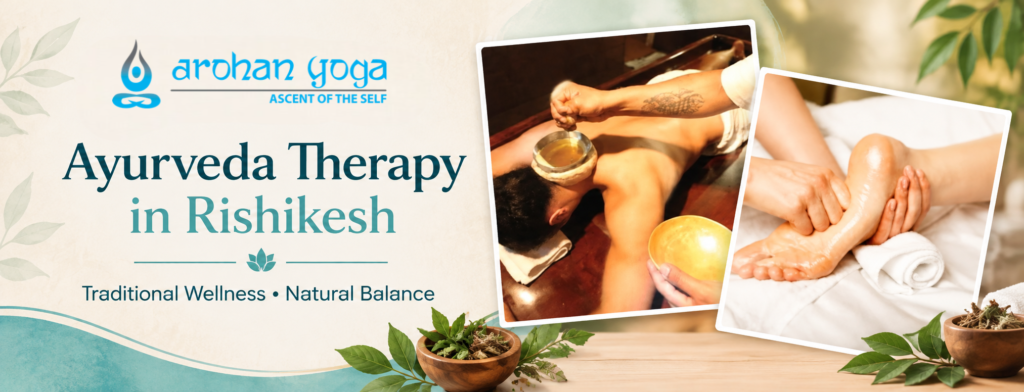
Ayurvedic therapies bring together traditional massage techniques, herbal oils, warmth, and mindful rest to create a restorative wellness experience. In Rishikesh, these practices can complement a slower routine centred on relaxation, body awareness, and personal wellbeing with gentle daily self-care.
Exploring Ayurveda therapy Rishikesh offers an opportunity to understand traditional wellness practices that focus on relaxation, mindful care, and balance. From warm oil massages to specialised treatments for particular body areas, each therapy has its own method and purpose. This guide explores different Ayurvedic therapies, their traditional applications, how to select a suitable session, and what to consider when planning a wellness experience.
Discovering the Philosophy behind Traditional Ayurvedic Care
Ayurveda is a traditional Indian system of wellness that considers lifestyle, daily habits, diet, and individual needs as connected aspects of wellbeing. Rather than approaching every person in the same way, traditional Ayurvedic practices often emphasise personalised routines and different forms of external therapy.
In a wellness setting, the experience may include warm herbal oils, herbal powders, gentle massage techniques, or focused applications around specific body areas. The appropriate choice depends on personal comfort, the type of experience desired, and any health considerations that should be discussed with a qualified practitioner.
Common therapies include:
- Abhyanga: A traditional massage using warm oil and coordinated strokes to encourage relaxation and ease everyday muscular tension.
- Herbal Potli Massage: A technique involving warm herbal poultices applied to the body as part of a traditional massage routine.
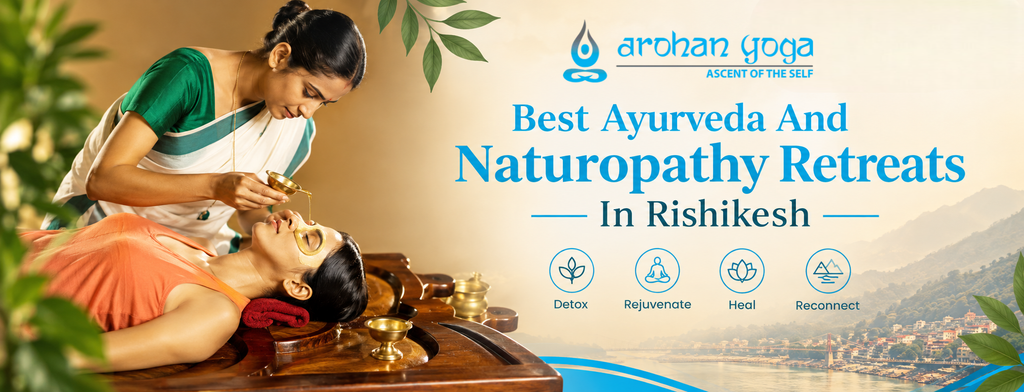
- Shirodhara: A treatment in which a steady stream of warm liquid, traditionally oil, is gently poured over the forehead.
- Udvartana: A massage using herbal powders or pastes with upward strokes.
- Foot Massage: A focused treatment intended to provide a relaxing experience for tired feet.
Understanding these methods makes it easier to choose a session based on comfort and preference instead of selecting a therapy simply because it sounds popular.
How Traditional Therapies Create Different Wellness Experiences
Although Ayurvedic treatments share a traditional wellness philosophy, their techniques and experiences can differ considerably. Some focus on the whole body, while others concentrate on the forehead, knees, neck, eyes, or feet. Understanding these distinctions helps visitors choose a treatment that matches their expectations.
Abhyanga, for example, involves a full-body massage using warm herbal oils. The massage experience may suit someone looking for relaxation and a traditional oil-based treatment. Herbal Potli Massage uses warm herbal bundles, introducing heat and a different tactile experience. The technique and pressure should be adapted to individual comfort.
Shirodhara offers a different approach. Rather than relying on massage strokes, it involves a controlled stream of warm liquid over the forehead. People seeking a quiet, restorative session may find the process appealing, although individual responses vary.
Other treatments are more focused. Janu Basti involves retaining warm oil around the knee within a prepared boundary, while Greeva Basti applies a similar traditional method around the neck. Netra Tarpana is a traditional eye-focused treatment using a suitable ghee preparation, and it requires particular care around the sensitive eye area.
These therapies are among the options people may encounter while researching the best Ayurveda and Naturopathy Retreats In Rishikesh. However, a retreat’s suitability should be assessed through its practitioner qualifications, treatment procedures, hygiene standards, and ability to accommodate individual needs not simply through its range of offerings.
Matching a Treatment to Your Personal Wellness Priorities
Choosing an Ayurvedic session becomes easier when the decision begins with personal preferences. Some visitors want a traditional full-body massage, others prefer a quieter experience, and some are interested in a treatment focused on a particular area. Clarifying these expectations before booking helps create a more comfortable experience.
Consider the following points when comparing therapies:
- For a traditional oil massage: Abhyanga provides a full-body massage experience using warm herbal oil.
- For a warm herbal treatment: Herbal Potli Massage combines poultices with massage techniques.
- For a quiet, restorative session: Shirodhara may appeal to those interested in a traditional forehead-focused treatment.
- For a focused body-area treatment: Janu Basti and Greeva Basti are designed around the knee and neck regions, respectively.
- For a powder-based massage: Udvartana uses herbal powders or pastes with upward strokes.
- For relaxation after a busy day: A foot massage offers a shorter, targeted wellness session.
The duration can also influence the choice. The treatment listings describe Abhyanga and Herbal Potli Massage as 60-minute sessions, Shirodhara as a 45-minute session, and several focused therapies as 30-minute sessions. Udvartana is listed as a 60-minute treatment. Actual availability and session details should be confirmed before booking.
When considering an Ayurveda treatment package in Rishikesh, check whether the package includes individual sessions, consultations, accommodation, meals, yoga activities, or other services. Package inclusions vary, so the name alone does not establish what is covered. A suitable option should fit your schedule, comfort level, and budget.
Preparing for a Comfortable and Mindful Treatment
Preparation is an important part of a positive wellness experience. Before a session, share relevant health concerns, allergies, skin sensitivities, and any medicines you take with the practitioner. This allows them to assess whether a treatment is appropriate and whether adjustments or additional precautions are needed.
Ask which oils, powders, or other preparations will be used, especially if you have sensitive skin or a history of allergic reactions. Heat-based therapies should be administered carefully, and any discomfort, irritation, or excessive heat should be communicated immediately. Treatments involving the eyes or other sensitive areas require appropriate hygiene and trained supervision.
Practical preparation also makes the session easier. Choose comfortable clothing that can tolerate possible oil stains, follow the provider’s guidance about meals and arrival time, and clarify the treatment’s duration before scheduling other activities. If a therapy involves extensive oil application, ask about washing facilities and any recommended aftercare.
It is equally important to maintain realistic expectations. Traditional therapies may form part of a personal relaxation routine, but they cannot guarantee specific health outcomes. Anyone with an existing medical condition, an injury, persistent pain, eye problems, or another significant health concern should consult an appropriate healthcare professional before undergoing a treatment.
Connecting Traditional Therapies with a Balanced Wellness Routine
An Ayurvedic treatment can be one part of a broader wellness routine that includes adequate rest, balanced meals, gentle movement, and time away from everyday distractions. Rishikesh provides a setting where visitors can explore traditional Indian wellness practices alongside yoga, meditation, and opportunities to spend time in nature.
The most suitable combination depends on individual preferences. Someone who enjoys movement may wish to pair a massage with gentle yoga, while another visitor may prefer a quieter schedule with more time for rest. Neither approach needs to involve a packed itinerary. Allowing sufficient time between activities can make the experience feel more manageable.
When comparing Ayurveda treatment package options, look beyond the number of therapies included. Consider the quality of practitioner guidance, treatment transparency, hygiene, flexibility, and whether the schedule leaves enough room for rest. A well-planned experience should respect individual needs rather than encourage people to undergo treatments they do not want or require.
Wrapping Up
Ayurvedic therapies offer a variety of traditional wellness experiences, from warm oil massages and herbal poultices to specialised treatments involving the forehead, knees, neck, and feet. Understanding their differences helps visitors select sessions that align with their preferences, schedule, and comfort. Before booking, it is worth checking practitioner qualifications, treatment details, hygiene practices, and package inclusions to make an informed choice.
For those interested in exploring traditional Ayurvedic therapies alongside a broader yoga and wellness experience in Rishikesh, Arohan Yoga provides information about its available treatments, including Abhyanga, Herbal Potli Massage, Shirodhara, and other specialised sessions. Visit the Arohan Yoga to explore the options and enquire about a suitable session.
Frequently Asked Questions
1. What should I know before choosing Ayurveda therapy Rishikesh?
Understand the treatment method, duration, ingredients, practitioner qualifications, and any precautions. Choose a session that matches your preferences and health considerations.
2. How do I compare the best Ayurveda and Naturopathy Retreats In Rishikesh?
Compare practitioner qualifications, hygiene, available therapies, personalisation, accommodation if needed, and the transparency of package inclusions.
3. What is included in an Ayurveda treatment package in Rishikesh?
Inclusions vary by provider. A package may cover selected therapies or additional services, so confirm the treatment list, session durations, and any extra costs before booking.
4. Which Ayurveda therapy Rishikesh options use warm herbal oils?
Abhyanga uses warm herbal oils for massage. Janu Basti and Greeva Basti involve warm oil applied within a prepared boundary around the knee and neck, respectively.
5. Can an Ayurveda treatment package in Rishikesh replace medical treatment?
No. Ayurvedic therapies should not replace appropriate medical care. Consult a qualified healthcare professional about medical conditions, persistent symptoms, or the suitability of a particular treatment.